For Families
When they can't find the words, help them be heard.
ExpressAgain was built by a family for a mother with aphasia — phrases your loved one can tap, a voice that sounds like their own, and a circle that keeps everyone close.
Just got the diagnosis? Here is what to do this week, with a page for aphasia, a stroke, Parkinson's, ALS, dementia, a brain tumor and a new tracheostomy.
In the hospital after a spinal injury, with a long stay ahead? See what to set up now.
Caring for someone on Medicaid or Medicare, or for a veteran? Each has its own page.

What your loved one can do
Every feature exists because our family needed it.
Speak everyday needs
Simple phrases to say what they need and how they feel — tapped, then spoken out loud.
Say no — and explain why
Express discomfort, set boundaries, and give their reasons with confidence.
Ask medical questions
Get answers and participate in their own care with a medical words dictionary at hand.
Reach family and care team
Stay in touch with the people who matter most — access is invitation-only.
Practice speaking out loud
Build strength and clarity with gentle guided practice — never graded, never scored.
Keep important information in a private vault
Details stored safely, never spoken aloud.
Share in the Family Circle feed
Photos, voice notes, and videos from the whole family — with reactions and comments, no pressure to reply.
Keep a mood + care journal
Record how each day went and compile a printable Care Team Report to bring to appointments.

Built from real experience
Dee built ExpressAgain for her mother Debbie after five brain lesions took her speech but not her mind. She could think, read, and remember — she just couldn't tell her family what she needed. Every feature exists because their family needed it, and it grows with her every day.
I built ExpressAgain for my mother, Debbie. Five lesions on the left side of her brain took her speech, not her mind. She still has so much to say — now she has the tools to say it.
Help your loved one be heard again.
Communication is always free — see what Individual and Family add.
Help when it matters most
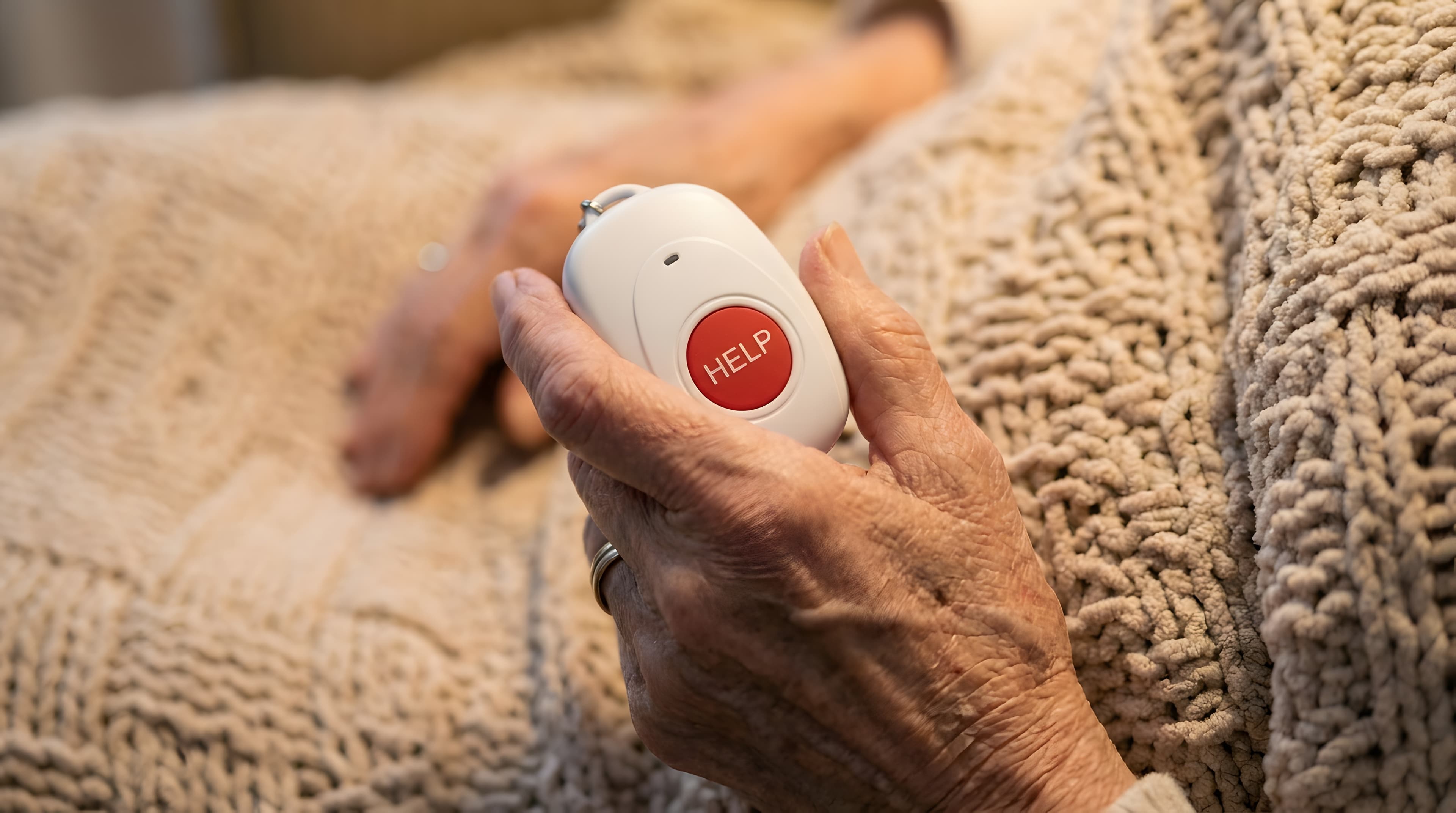
When speech fails at the worst moment, the emergency screen is ready.
One-tap 911
The emergency screen places a call with a single tap — no menus to navigate under stress.
Critical medical info card
Allergies, medications, and directives on one screen a patient can show to responders and clinicians.
SOS always available
The SOS button stays within reach throughout the app, so help is never more than a tap away.
ExpressAgain supports communication — it never diagnoses, interprets, or replaces medical care.
Built with one family. Ready for yours.
ExpressAgain is new, and we won't pretend otherwise — no invented reviews, no made-up ratings. What we can show you is what the Family Circle feels like: notes, photos, and voice messages your loved one can open anytime for a boost of joy, with no pressure to reply.
The messages shown here are illustrative examples, not real users.
Daughter · 9:15 AM
Thinking of you today, Mom. You are so strong and loved.
Grandson · 11:02 AM
Can't wait to see you this weekend! 💙
Sister · 1:47 PM
Here's a throwback, just because. Love you.
One team, one plan
Built for the interdisciplinary care team
ExpressAgain is an integrated patient care, communication, and care management platform built for people who can think, read and remember clearly but struggle to speak, as well as people who can speak for themselves but have no safe, trusted way to show whether the care they're receiving is the care they're owed.
As an all-in-one platform, it brings patients together with the families, caregivers, nurses, therapists, physicians and agencies who care for them, so everyone works from one plan, one schedule and one shared record, from the hospital to home.
The same day, the same medications, the same notes, and the same record of who did what and when.
The patient is in the middle, and six kinds of people care for that one person. Every arrow runs between a box and the patient, and the ring runs through all six:
- Families: the daughter, the siblings, the friends who show up.
- Caregivers: aides, CNAs and companions in the home, hired directly or sent by an agency.
- Nurses: RNs and LPNs on visits, shifts and medications, with the visit note.
- Therapists: speech, physical and occupational, with exercises to practice at home.
- Physicians: MDs, DOs, NPs and PAs, reading what changed since the last visit.
- Agencies: the office that staffs, schedules and bills.
All of them work from one plan, one schedule and one shared record: the day plan the family writes is the one the aide follows and every care-team login reads.
Hospice, palliative care and community paramedic clinicians join the care team the same way, with a code from the family.