
Blog
Stories, guidance, and communication support.
Practical advice, real experience, and product updates for people living with communication challenges — and the people who love them.


All articles

Caregiver burnout is real. Here's how to protect yourself.
This one is for the person nobody checks on. Read it slowly, for you.
The ExpressAgain TeamOctober 13, 20266 min read

How to coordinate family visits without overwhelming anyone.
If you are the one everyone texts, you have read "When can I visit?" fifty times this week. This step gets you out of the middle without pushing anyone away.
The ExpressAgain TeamOctober 13, 20266 min read

The tools and equipment you'll actually need to care for someone at home.
In the hospital, everything the patient needs simply appears. Then discharge day comes and it is all your job. This is the list, organized so you can mark what fits.
The ExpressAgain TeamOctober 13, 20267 min read

How to build a care schedule for your parent or loved one.
If those questions get answered in a flurry of group texts every week, you do not have a schedule yet. You have a scramble. Step 5 of our Newly diagnosed series fixes that.
The ExpressAgain TeamOctober 13, 20266 min read

How to choose the right care provider for your loved one.
You are inviting someone into the most private corners of a life: the bathing, the medications, the halting sentences, the hard mornings. That deserves a clear process, not a frantic one.
The ExpressAgain TeamOctober 13, 20267 min read

Do you really need a caregiver, or do you need a nurse?
Our founder's family hired a sitter when the patient needed a nurse. Nobody had explained the difference. Here it is, plainly, before you sign anything.
The ExpressAgain TeamOctober 13, 20266 min read

Home care, home health, hospice or palliative care? What each one means, and when you need it.
A discharge planner says home health. A neighbor swears by home care. The clinic says palliative; a pamphlet says hospice. Here is the plain-English version, so you know which door to walk through first.
The ExpressAgain TeamOctober 13, 20266 min read

Just got the diagnosis? Here's what to do next.
Whatever the word was, you walked out of that room with a hundred questions and no map. This is the ordered walkthrough our founder wishes someone had handed the family on day one.
The ExpressAgain TeamOctober 13, 20267 min read

Principal care management documentation: recording the month for one serious condition
Principal care management is built around one high-risk condition and the work between visits. The hard part is rarely the care. It is capturing the month in a record the coder can use.
The ExpressAgain TeamSeptember 27, 20265 min read

Care alerts for home readings: how the care team hears about the day, in time
A reading logged at home is only useful if the right clinician sees it at the right time. How targets, alert lines, digests and medication reminders keep the team informed without flooding anyone.
The ExpressAgain TeamSeptember 27, 20265 min read

Home care jobs near me: how the ExpressAgain Marketplace works for professionals
Families are looking for professionals who can care for someone who cannot easily speak. Here is how to be found by them, what they will ask, and what working with a family on ExpressAgain looks like.
The ExpressAgain TeamSeptember 27, 20265 min read
Door codes for home care professionals: one code per person, and a plan for when it fails
A spare key under the mat and one code everyone shares is how most households start. It is also how a night shift ends up locked out, or a former helper still has a way in.
The ExpressAgain TeamSeptember 27, 20265 min read
The W-9 and an independent home care professional: what families should know
Families hiring a professional directly are often told to get a W-9. What the form is for, why it may or may not be the right form, and how to keep a Social Security number safe once you have one.
The ExpressAgain TeamSeptember 27, 20265 min read

Home care timesheets and paying an independent professional, without the spreadsheet
Hiring a professional directly means the family becomes the payroll office: tracking hours, checking them, paying on time and keeping records. How to set that up fairly and simply.
The ExpressAgain TeamSeptember 27, 20265 min read
Respite care for family caregivers: how to take a real break
Respite is not a luxury or a sign of giving up. It is maintenance for the person holding everything together. What it is, how families pay for it, and how to make the handover smooth enough that you can actually switch off.
The ExpressAgain TeamSeptember 27, 20265 min read
Keeping track of doctor appointments for a loved one: before, during and after
A neurologist on Monday, labs on Wednesday, the dentist next week, and a ride for each. How to keep appointments straight, walk in prepared, and walk out with the answers written down.
The ExpressAgain TeamSeptember 27, 20265 min read
A daily care log for home care: what to write down, and who should write it
Showers, naps, meals, a wobbly moment on the way to the bathroom: the small things of a day at home are exactly what the next person on shift and the care team need to know.
The ExpressAgain TeamSeptember 27, 20265 min read

Medication reminders for family caregivers: a schedule that asks, and a log that answers
The 8 a.m. pills are easy to remember until the day they aren't. How to set up reminders that fit the prescription, reach whoever is on duty, and leave a record the care team can trust.
The ExpressAgain TeamSeptember 27, 20265 min read
Diabetes-friendly meal planning at home, for the people doing the cooking
Knowing the principles is the easy part. The hard part is what to make on a Tuesday night, with what is in the fridge, for someone whose blood sugar the whole family is watching.
The ExpressAgain TeamSeptember 27, 20265 min read
A blood pressure log to share with the doctor: taking readings at home that help
A blood pressure number on its own says little. A log of readings taken the same way, at the same times, with notes, tells the doctor what happens at home. Here is how to keep one.
The ExpressAgain TeamSeptember 27, 20265 min read
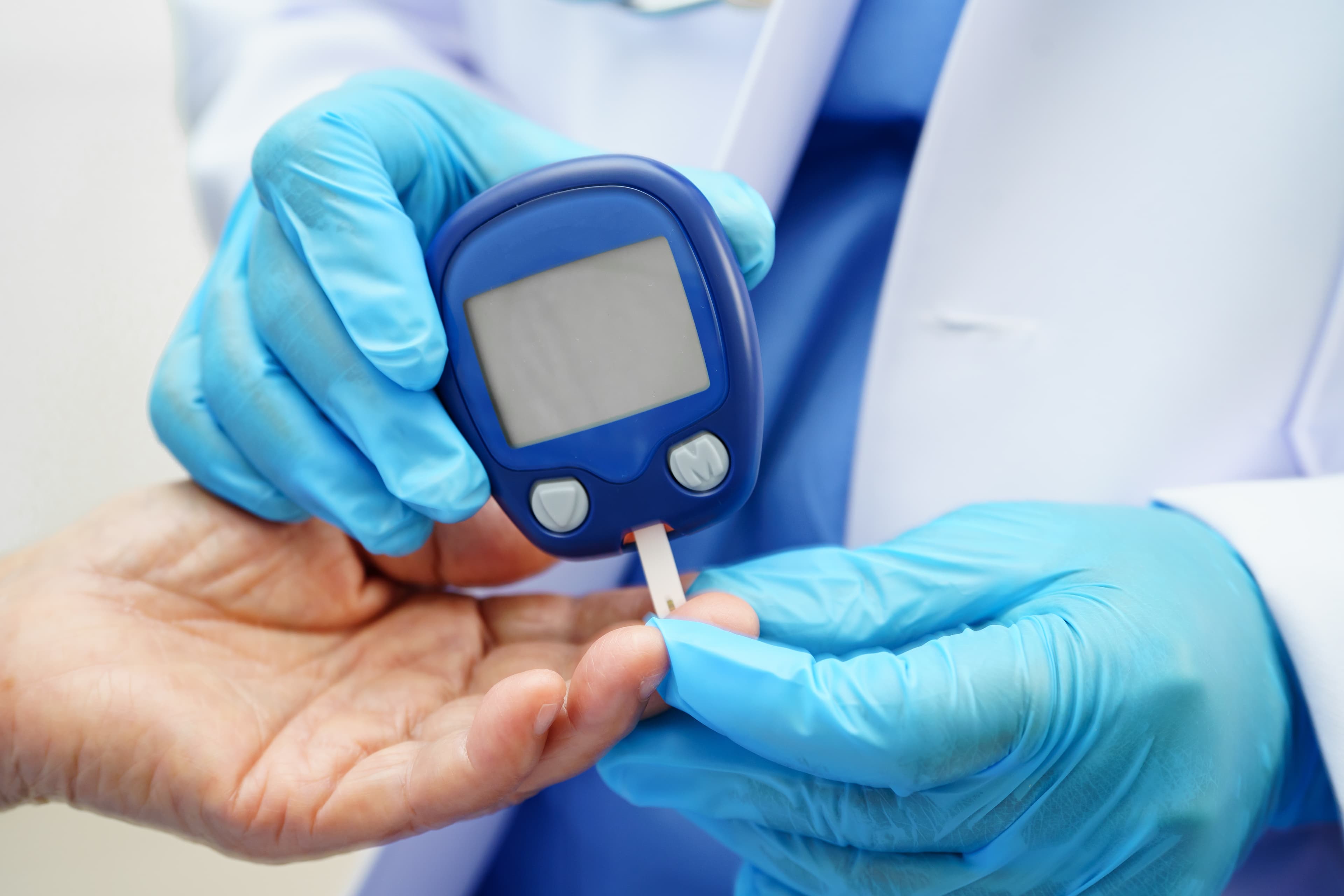
A blood sugar log for caregivers that the whole care team can read
When several people check blood sugar at home, a notebook in the kitchen drawer stops being enough. What a useful log holds, how to keep it honest, and how to get it in front of the people who adjust the plan.
The ExpressAgain TeamSeptember 27, 20265 min read
How to keep family updated when someone is sick, without living on your phone
The person running care ends up running the news desk too: the same update, typed ten times, late at night. A calmer way to keep everyone informed, and to protect what should stay private.
The ExpressAgain TeamSeptember 27, 20265 min read

A hospital visiting schedule for family: planning visits that help
Too many visitors on Sunday and nobody on Wednesday. A visiting schedule sounds like a small thing until the family tries to run a hospital stay without one.
The ExpressAgain TeamSeptember 27, 20265 min read

Voice messages for someone in the hospital: staying close when you can't be there
Hospital days are long, and visiting hours are short. A familiar voice, saved to be played again whenever the person wants it, can fill the hours in between.
The ExpressAgain TeamSeptember 27, 20265 min read

Speech therapy practice at home: a family guide to the time between sessions
A therapy session lasts an hour. The rest of the week is where practice happens, and the family is usually the one setting it up. How to help without turning home into a classroom.
The ExpressAgain TeamSeptember 27, 20265 min read

Medical terms explained: hospital words in plain language for patients and families
A hospital stay comes with its own language. Here are the words families hear most, in plain English, and a few ways to make sure the explanations land.
The ExpressAgain TeamSeptember 27, 20265 min read
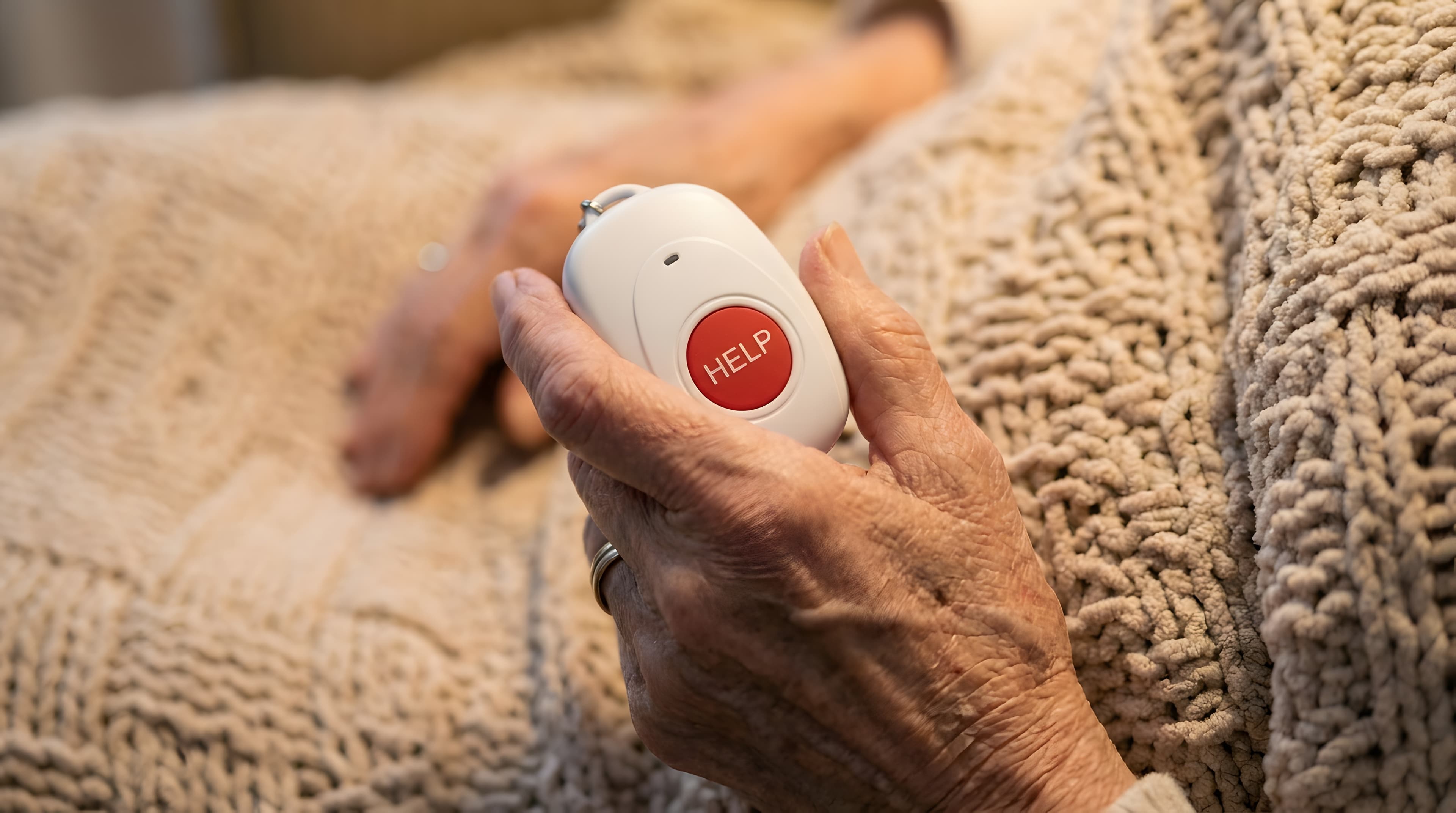
An emergency communication card for someone who can't speak
Paramedics ask questions fast: name, what happened, medicines, allergies. For a person who cannot answer, the answers need to be written down and spoken for them before anyone asks.
The ExpressAgain TeamSeptember 27, 20265 min read

Apraxia of speech after a stroke: what it is and how families can help
The person knows exactly what they want to say, and the words are there, but the mouth will not follow the plan. How apraxia of speech differs from aphasia, and what helps at home.
The ExpressAgain TeamSeptember 27, 20265 min read

The Parkinson's soft voice: why it happens and the tools that help
When people keep asking a person with Parkinson's to repeat themselves, the problem is rarely the words. It is volume. What therapy offers, and what to look for in a device or an app when the voice needs help.
The ExpressAgain TeamSeptember 27, 20265 min read

Parkinson's communication tips for families: keeping the person in the conversation
A quieter voice and a face that shows less can make a person with Parkinson's drift to the edge of every conversation. Small changes from the people around them bring them back in.
The ExpressAgain TeamSeptember 27, 20265 min read

Supporting health plan members who can't speak for themselves
A member who cannot speak cannot answer the care manager's call, describe a new symptom or say that a medicine ran out. How a health plan can support those members and the families carrying their care.
The ExpressAgain TeamSeptember 27, 20265 min read
The discharge handoff: how hospitals can keep caring after the patient goes home
Discharge day hands a family a stack of papers and a patient who may not be able to say what is wrong. How hospitals can make the handoff last: a voice at the bedside, a family who is ready, and a record the physician group keeps reading.
The ExpressAgain TeamSeptember 27, 20265 min read

Documenting chronic and transitional care management between visits
Practices already do care management between visits: the calls, the follow-ups, the discharge check-ins. What CMS asks you to document, where it slips, and how to record it where the care happens.
The ExpressAgain TeamSeptember 27, 20266 min read

Glioblastoma and speech: what families can do when words get hard
A brain tumor can make words unreliable while the person stays fully themselves. Why speech changes with glioblastoma, why it varies from day to day, and how to keep communication going through treatment.
The ExpressAgain TeamSeptember 27, 20265 min read
Hiring in-home care professionals: a step-by-step guide for families
Whether you work with an agency or hire directly, hiring help at home goes better with a plan. Decide what you need, find people, ask the right questions, check credentials and get the first shift right.
The ExpressAgain TeamSeptember 27, 20265 min read

Coordinating a home care team: one plan, one record, fewer phone calls
Family, aides, nurses, therapists, doctors: care at home involves a lot of people. How to give them one plan, one schedule and one record, so the family stops repeating the same briefing at every door.
The ExpressAgain TeamSeptember 27, 20265 min read

A caregiver medication log the whole care team can see
When several people give medicines, a paper list on the fridge stops being enough. What a good shared medication log holds, how to keep it honest, and how to bring it to every appointment.
The ExpressAgain TeamSeptember 27, 20266 min read

Voice banking and a cloned voice: keeping your own voice through ALS or throat surgery
When ALS or surgery on the throat may take the voice, recording it early can keep it. What voice banking and message banking are, when to start, and how a cloned voice speaks for you later.
The ExpressAgain TeamSeptember 27, 20265 min read
Dementia communication at home: tips that keep conversation kind
Conversation with dementia works better with fewer words, more patience and no arguments. Practical tips for families at home, and simple tools for the questions that come up again and again.
The ExpressAgain TeamSeptember 27, 20265 min read
Words for the end of life: communicating in hospice and palliative care
At the end of life, speaking can take more energy than a person has. How families can keep listening: comfort and pain, wishes and decisions, faith, the hardest questions, and saying what matters.
The ExpressAgain TeamSeptember 27, 20265 min read

How to communicate with an ICU patient on a breathing tube
A breathing tube takes away the voice, but often not the thoughts. How families can set up yes and no, use a communication board, ask about pain and help their person be heard in the ICU.
The ExpressAgain TeamSeptember 27, 20265 min read

An AAC app for stroke survivors: what to look for
After a stroke, a communication app has to work for one hand, tired eyes and an adult life. A plain checklist for families choosing AAC, and the questions to ask the speech-language pathologist.
The ExpressAgain TeamSeptember 27, 20266 min read

How to communicate with someone who has aphasia: a practical guide for families
Aphasia takes words, not the person. Here is how to set up a conversation, keep it adult, give real time, check what got through, and open every other channel you can.
The ExpressAgain TeamSeptember 27, 20266 min read
Coming Home: a calmer plan for leaving the hospital.
Discharge day shouldn't feel like a cliff. Our new Coming Home guide helps families prepare — the questions to ask the care team, the equipment to line up, and how to make a home ready — with the therapy team's own recommendations built in.
The ExpressAgain TeamAugust 2, 20261 min read
The Family Circle: keeping everyone close when someone's in the hospital.
A hospital room can quietly pull a person away from the people who love them. The Family Circle brings the whole family into one private place — a shared feed, private notes, visit planning, and a daily update that keeps everyone connected.
The ExpressAgain TeamAugust 1, 20261 min read

You are not alone: recognizing Glioblastoma Awareness Day.
Glioblastoma took our family somewhere we never expected. Here is what this diagnosis does to communication, how ExpressAgain can help a family stay heard and stay close, and why there is still real hope worth holding.
Dee Williams, FounderJuly 31, 20263 min read

New tools for the therapy team.
Every clinician on the care team now opens to what changed since their last visit, chosen for their discipline. Speech, physical, and occupational therapists still assign practice that shows up in the app, leave notes for the family, and add home recommendations.
The ExpressAgain TeamJuly 30, 20263 min read
What's new at ExpressAgain: Summer 2026 update.
The Family Circle feed, personal cloned voices, therapist access, the care journal with its printable Care Team Report, narrated lesson videos, and personal invitations for family and friends — what shipped and why.
The ExpressAgain TeamJuly 21, 20264 min read

Designing communication tools people can actually use: what accessibility means to us.
Big targets, honest contrast, read-aloud everywhere, and practice that is never graded. How we think about building for hands that tremble, eyes that tire, and days that vary.
The ExpressAgain TeamJune 30, 20263 min read

What aphasia is — and what it isn't.
Aphasia affects language, not intelligence. It comes in different forms, and it changes from day to day — here's what that means for the people living with it, and everyone who talks with them.
The ExpressAgain TeamJune 16, 20263 min read
Supporting carryover: practical ways to keep communication practice alive between sessions.
For clinicians, the hardest part of the week is the part you're not there for. Ideas for making home practice functional, coaching communication partners, and keeping the loop closed between visits.
The ExpressAgain TeamJune 2, 20263 min read

Life after stroke: what recovery really looks like — and why slow progress is still progress.
Recovery is not a montage. It is uneven, tiring, sometimes discouraging — and it keeps going far longer than most people expect. An honest look at the road, for survivors and the people walking it with them.
The ExpressAgain TeamMay 26, 20263 min read
Five ways families can support communication at home.
Therapy hours are few; home hours are many. Small, repeatable habits — built into meals, routines, and family life — are where communication recovery quietly happens.
The ExpressAgain TeamMay 12, 20263 min read
Browse by category
- Newly diagnosed8 articles
- Caregivers9 articles
- Home Care8 articles
- Aphasia3 articles
- Stroke Recovery4 articles
- Brain Tumor2 articles
- Dementia1 article
- ICU & Hospital4 articles
- Hospice & Palliative1 article
- ALS & Voice3 articles
- Clinicians2 articles
- Practices & Hospitals3 articles
- Health Plans1 article
- Accessibility1 article
- Product Updates4 articles
Stay informed and supported.
New articles on communication, caregiving, and recovery — plus honest product updates — delivered to your inbox.
We respect your privacy. Unsubscribe anytime.